
From Tree to Table: How Our Scottish Oak Boards Are Made
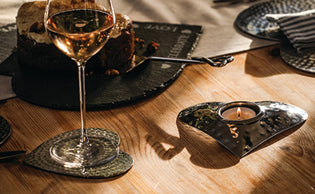
When you pick up one of our oak serving boards, its journey may not be immediately visible. Yet long before it becomes part of a family gathering, carefully arranged cheeseboard or evening drink, the wood has already spent years being grown, selected, cut, dried and shaped.
From the Scottish woodland where the tree first grew to our workshop here in Fife, every wooden Selbrae House product passes through multiple pairs of skilled hands. It is a process that cannot be rushed - and one that gives an entirely new meaning to the phrase handmade in Scotland.
Locally Grown in Scottish Woodlands
The oak used to make many of our wooden boards begins its journey in woodlands across Scotland.
We work with Scottish Wood, a hardwood sawmill based at Inzievar in West Fife. Established in 1999, the sawmill has spent more than 25 years finding better uses for Scotland’s homegrown timber.
Every tree processed by Scottish Wood is grown in Scotland and, wherever possible, sourced from woodlands close to the sawmill. Choosing locally grown timber supports woodland management, rural employment and traditional skills, while reducing reliance on hardwood imported over much greater distances.
Scottish Wood is also a social enterprise owned by the Scottish charity Dynamic Woods. Profits from the sawmill help support environmental, educational and community projects connected to Scotland’s woodlands.

Behind the Scenes at the Sawmill
Our marketing team recently visited Scottish Wood to see the first stages of our wood production process for ourselves.
We were welcomed by Jim, who immediately made us feel at home before introducing us to the wider sawmill team. Everyone was incredibly generous with their time and more than happy to explain the machinery, their individual roles and the journey each piece of timber takes through the site.
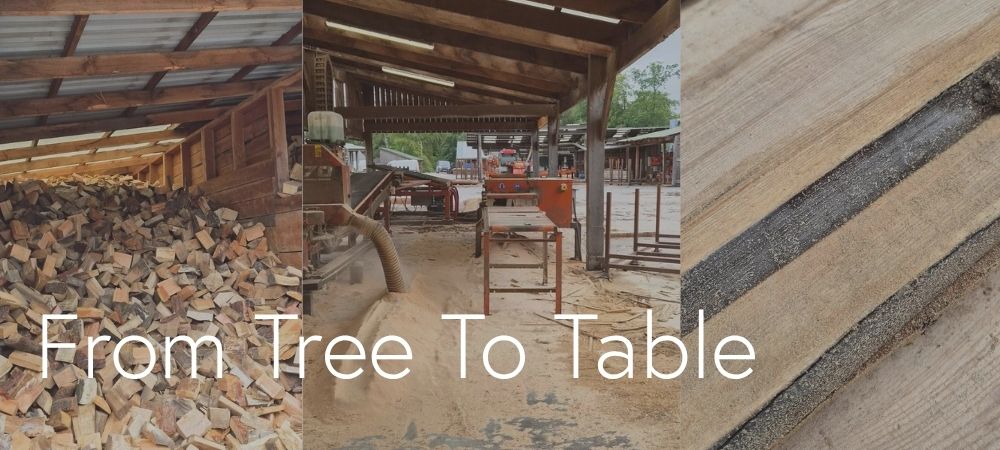
We watched as substantial whole logs were carefully lifted onto the mill’s infeed system before being guided through the saw. Layer by layer, the rounded exterior was removed to reveal broad wooden boards and the distinctive grain hidden inside.
There was something incredibly satisfying about watching each clean cut pass through the timber. However, what surprised us most was learning just how far these newly sawn boards still were from becoming finished products.

Why the Drying Process Takes Years
Freshly sawn wood contains a significant amount of natural moisture. Before it can be shaped into a cheese board, bar board or piece of wooden serveware, that moisture must be reduced gradually and carefully.
The freshly cut boards are stacked and left to dry for at least one year. Thicker pieces require considerably more time and can spend as long as four years drying before they are ready to leave the sawmill.
Scottish Wood also uses controlled timber kilns to complete the drying process, aiming to bring its hardwoods to a moisture content of approximately 10–12%. This helps prepare the wood for use in products intended for the home.
Drying the wood correctly helps to improve its stability and reduce the risk of movement, splitting or warping later. It is one of the least visible stages of the process, but also one of the most important.
There are no shortcuts. The timber is ready when it is ready.
It means that a piece of wood being cut at the sawmill today may not arrive in our workshop until next year - or several years from now, depending on its thickness.

The Final 20 Miles to Our Fife Workshop
Once the timber has dried fully and is ready to work with, we collect it from Scottish Wood and bring it to our workshop in Kirkcaldy, only around 20 miles away.
Here, another stage of the making process begins.
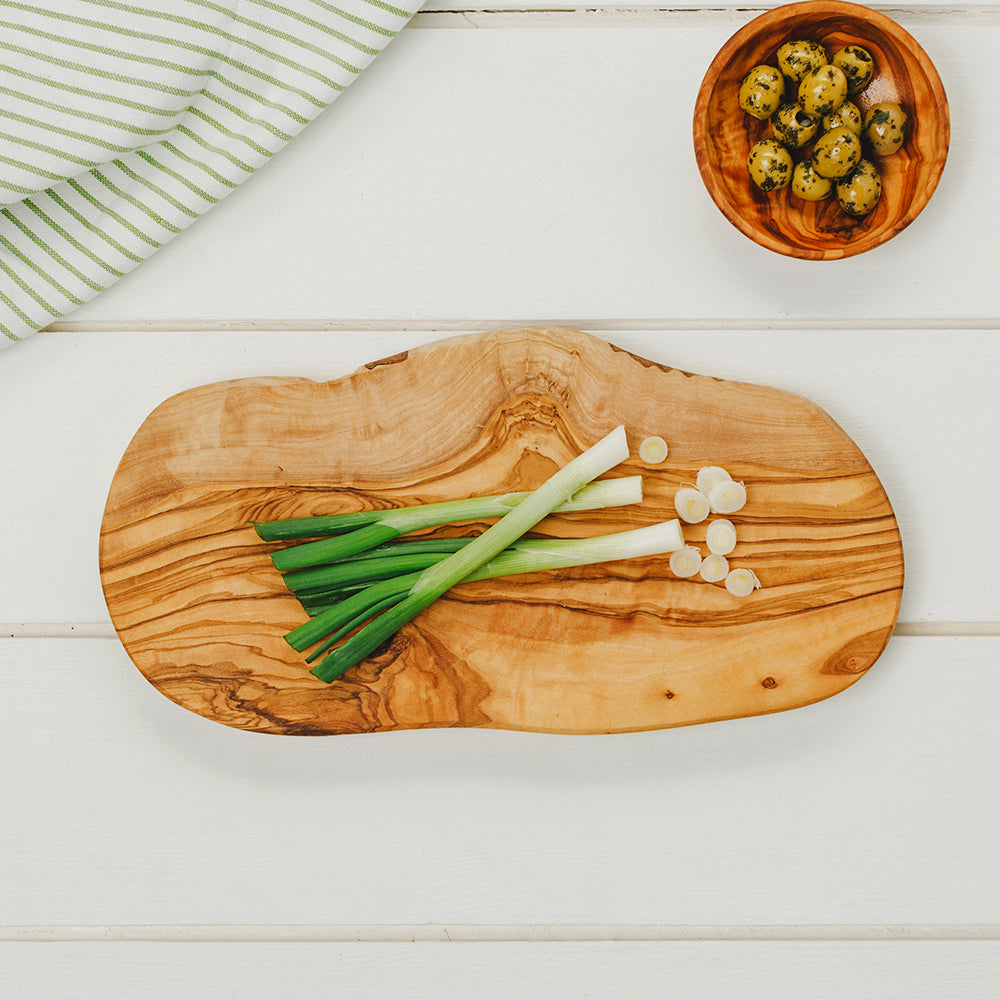
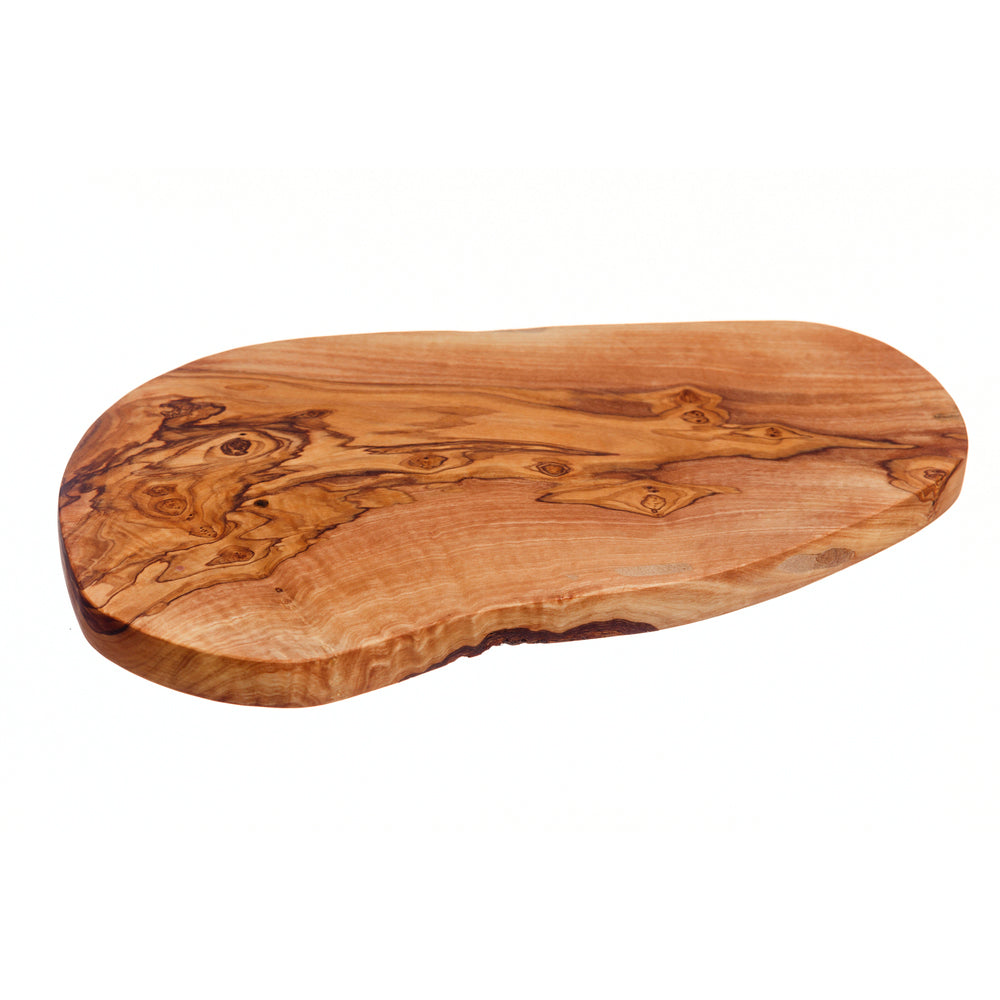
Our in-house team carefully cuts the boards to size before shaping, sanding and finishing each piece. The natural grain means no two boards are ever exactly alike. Variations in colour, pattern and small natural markings are not flaws; they are part of the character of locally grown wood.
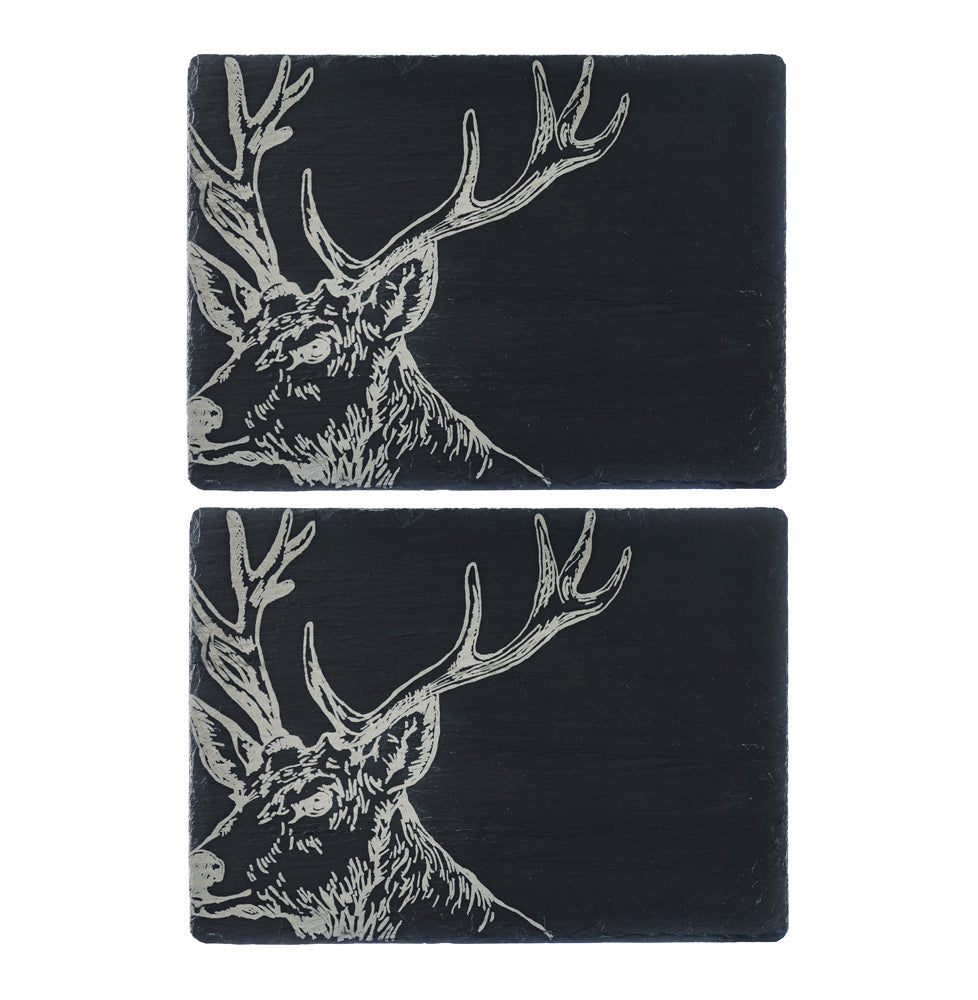
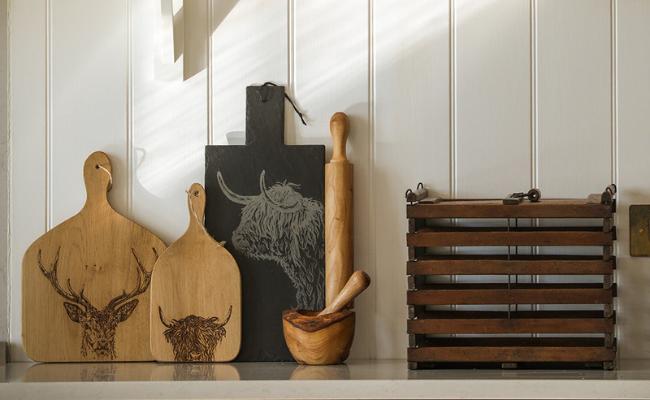
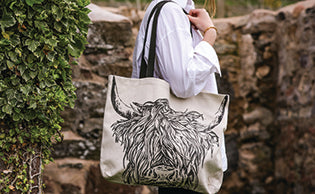
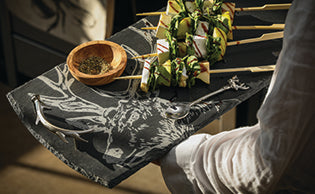
Each design is then engraved in our workshop, transforming the prepared timber into one of our recognisable oak cheese boards, bar boards or serving pieces. From Highland cows and woodland animals to coastal illustrations and simple designs, every engraving is applied with care by our own team.
The finished product is checked, prepared and packed before beginning the final part of its journey to your home.

Handmade by Many Pairs of Hands
By the time one of our wooden boards arrives with you, it has passed through more hands than you might imagine.
There are the people who plant, manage and care for Scotland’s woodlands. The teams responsible for selecting and transporting the timber. Jim and the skilled sawmill workers who turn each log into usable boards. The people who carefully monitor the wood as it dries over months and years.
Then there is our own team in Kirkcaldy, cutting, shaping, engraving, finishing, checking and packing each individual product.
Every person contributes something to the finished piece. Their knowledge, experience and attention can be found in every cut edge, engraved detail and natural line of grain.
When We Say Handmade, We Really Mean It
In a world where products can be manufactured and delivered in a matter of days, we believe there is something special about an object that takes years to create.
Our wooden serveware is not produced at the touch of a button. It begins in a Scottish woodland, spends years being prepared by people who understand the material, and travels only a short distance to our workshop, where it is made into something designed to be used and enjoyed.
So, the next time you bring out a Selbrae House oak board, take a moment to look at the grain. Its story began long before it reached your table.
When we say our products are handmade, we really mean it.